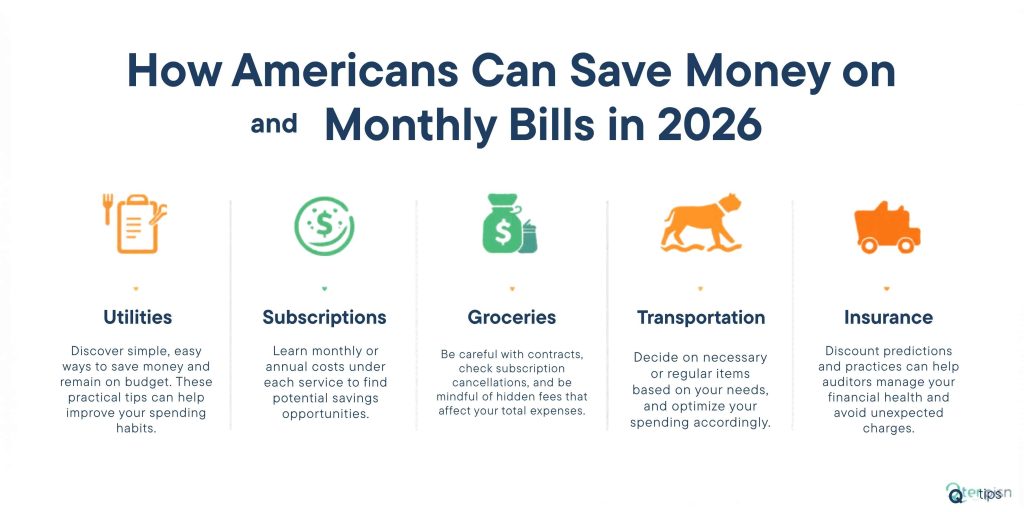
Living expenses in the United States are expected to continue rising in 2026, making it harder for many families to manage monthly expenses. From electricity bills and groceries to net subscriptions and hire, Americans are seeking out smarter ways to reduce spending without sacrificing comfort.
Many households now recognize that small financial changes can yield substantial long-term savings. Cutting unnecessary costs, improving budgeting practices, and using modern financial tools can help families better manage their money.
In this manual, we can explore practical approaches Americans can use to keep money for monthly bills in 2026, including real-life examples, budgeting tips, and easy techniques that work for individuals and households.
Why Monthly Expenses Are Increasing
Several financial factors are affecting household budgets across the USA.
Main Reasons Behind Rising Costs
- Inflation keeps affecting ordinary items
- Utility expenses are increasing in many states
- Housing expenses stay excessive
- Subscription services have become extra costly
- Fuel and transportation charges frequently range
According to current monetary reviews, many American families are spending a larger share of their income on basic living expenses than in previous years.
This is why budgeting and sound economic planning have become more vital than ever.
Common Monthly Expenses Americans Pay
Expense CategoryAverage Monthly CostRent or Mortgage$1,500–$2,500Electricity & Utilities$a hundred and fifty–$350Internet & Phone$eighty–$200Groceries$400–$900Transportation$2 hundred–$700Streaming Services$20–$100Insurance$100–$500
The exact charges vary by region, family size, and lifestyle.
1. Reduce Electricity Bills
Electricity payments have become one of the biggest family expenses in many states.
Simple Ways to Save Electricity
- Switch to LED light bulbs
- Unplug devices when not in use
- Use strength-efficient home equipment
- Turn off useless lights
- Adjust thermostat settings accurately
- Use clever home generation
For instance, many households save cash by setting the thermostat a few degrees lower during summer and a few degrees higher during winter, reducing their energy bill by almost 20% after installing smart thermostats and replacing old bulbs with energy-efficient lights.
2. Save Money on Groceries
Food expenses are expected to increase; however, smart shopping can significantly reduce grocery bills.
Smart Grocery Saving Tips
- Create purchasing lists earlier than visiting stores
- Buy in bulk when possible
- Use keep reward packages
- Compare charges between shops
- Avoid impulse purchases
- Cook meals at home extra often
Many Americans additionally use cashback apps and virtual coupons to reduce grocery expenses.
Grocery Savings Comparison
Shopping HabitEstimated Monthly SavingsMeal planning$50–$150Using coupons$20–$80Buying frequent manufacturers$30–$100Reducing takeout meals$100–$300
3. Cut Subscription Costs
One common financial mistake is buying subscriptions that are hardly ever used.
Many human beings forget they’re paying monthly expenses for:
- Streaming services
- Gym memberships
- Music apps
- Cloud storage
- Premium software program
How to Reduce Subscription Spending
- Cancel unused memberships
- Share family plans when allowed
- Rotate streaming services month-to-month
- Review bank statements regularly
Real Example
A couple in California discovered they were paying for 6 streaming services, yet they regularly used the simplest one. After canceling unnecessary subscriptions, they saved over $70 monthly.
4. Lower Internet and Phone Bills
Internet and cellular services can become expensive over the years.
Tips to Reduce Costs
- Negotiate with vendors
- Compare competitor pricing
- Use prepaid plans
- Avoid unnecessary data applications
- Bundle services cautiously
Many corporations offer discounts to loyal clients who request better pricing.
5. Save Money on Transportation
Transportation fees encompass:
- Fuel
- Car protection
- Insurance
- Parking
- Public shipping
Ways to Save
- Combine errands into one ride
- Maintain tire stress nicely
- Use public transportation whenever possible
- Compare coverage fees yearly
- Drive fuel-green cars
Carpooling and far-flung work have also helped many employees reduce gasoline costs
6. Build a Monthly Budget
Budgeting remains one of the best approaches to managing a price range.
Simple Budgeting Method
Many economic experts recommend the 50/30/20 rule.
Budget CategoryPercentageNeeds50percentWants30%Savings20%
This approach facilitates family stability, spending even as saving cash.
7. Use Financial Apps
Budgeting apps help users automatically manage their spending.
Popular Features
- Expense tracking
- Bill reminders
- Savings desires
- Spending reviews
- Subscription tracking
Many Americans now use financial apps to understand where their money goes every month.
Top Remote Jobs in the USA Without a Degree (and How to Get Them)
8. Reduce Dining Out Expenses
Eating out regularly can get expensive.
Ways to Save
- Prepare food at home
- Meal prep weekly
- Use eating place praise programs
- Limit meal delivery orders
Real Example
A New York professional reduced monthly spending by over $300 by cooking lunch at home rather than ordering takeout daily.
9. Shop Smarter Online
Online purchasing can both save and waste money, depending on habits.
Better Shopping Habits
- Compare fees before shopping
- Wait before impulse buying
- Use cashback websites
- Shop during the most important sales occasions
- Read opinions earlier than shopping for merchandise
Many people now use browser extensions that routinely use coupon codes.
10. Build an Emergency Fund
Unexpected charges can damage economic stability.
Examples encompass:
- Medical payments
- Car upkeep
- Job loss
- Home maintenance
Why Emergency Savings Matter
An emergency fund reduces pressure and stops reliance on credit cards or loans.
Financial experts often advise saving 3 to 6 months of living expenses.
Benefits of Saving Money on Monthly Bills
Less Financial Stress
Lower costs improve peace of mind.
Better Savings
Families can store extra for future goals.
Reduced Debt
Extra cash can help repay loans more quickly.
More Financial Freedom
People gain more control over their lifestyle choices.
Common Financial Mistakes to Avoid
Ignoring Small Expenses
Small recurring charges add up over the years.
Overspending on Credit Cards
High-hobby debt turns into difficult to control.
Not Tracking Spending
Many people underestimate monthly prices.
Living Beyond Income
Maintaining an unrealistic existence regularly creates financial stress.
Practical Monthly Savings Example
ExpenseBefore SavingsAfter SavingsElectricity$250$190Groceries$800$620Streaming Services$ninety$30Dining Out$four hundred$180Internet$120$80
This instance shows how small adjustments can yield loads of greenbacks in monthly savings.
Frequently Asked Questions
What is the best way to save money every month?
Tracking costs and canceling unnecessary subscriptions are often the best starting points.
How many Americans shop monthly?
Many experts endorse saving at least 20% of monthly earnings, if possible.
Are budgeting apps worth using?
Yes, budgeting apps help users monitor and display spending behavior and improve financial awareness.
How can households lessen grocery payments?
Meal-making, planning, bulk shopping, and avoiding impulse purchases are powerful ways to reduce grocery costs.
Why are monthly bills increasing in 2026?
Inflation, housing demand, power expenses, and carrier costs continue to affect household expenses.
Conclusion
Saving money on month-to-month bills in 2026 requires smarter spending habits and better financial planning. Although dwelling prices continue to rise, changes can yield yield-generating finances over time.
From reducing energy use and grocery spending to canceling unnecessary subscriptions and building a sensible budget, Americans have many opportunities to improve their financial situation.
The most crucial step is consistency. Families that often review costs and make thoughtful economic decisions are often better organized for future challenges.
In today’s financial system, saving money isn’t always just about spending less. It is ready to build for the long term to foster long-term economic stability and reduce unnecessary pressure.-