
Your credit score is one of the most significant numbers in your financial life—especially in the United States. Whether you want to rent an apartment, buy a car, or apply for a loan, this three-digit number can directly impact your approval and interest rates.
In 2026, credit scoring systems will have become smarter and more dynamic. The good news? Even if you’re starting from zero, you can still build a strong credit score with the right steps.
In this guide, you’ll learn about how credit scores work, what has changed recently, and how to improve your score effectively.
What is a Credit Score?
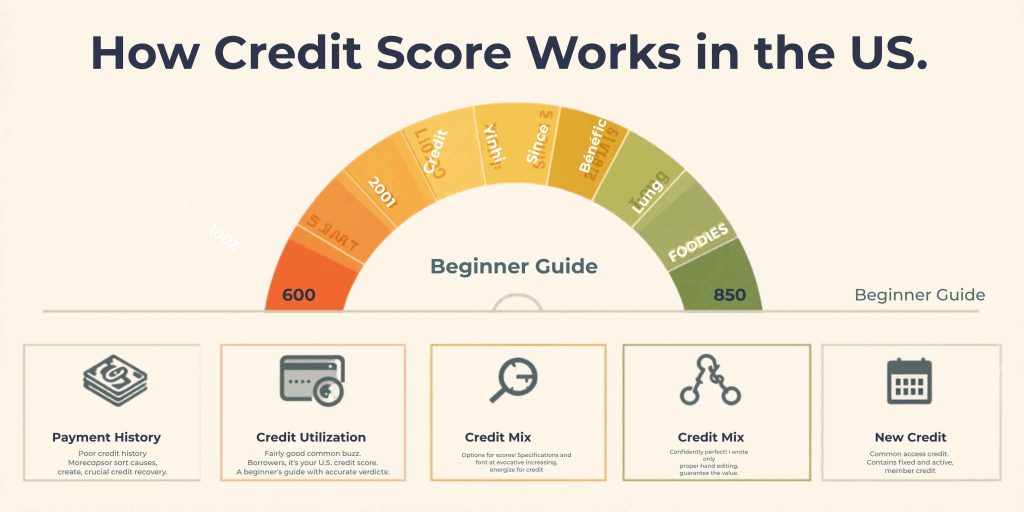
Credit scores range from 300 to 850. It represents your creditworthiness, or how likely you are to repay borrowed money on time.
Credit Score Ranges
- Excellent (800–850): Best loan offers and lowest interest rates
- Very high (740–799): Strong approval chances
- Performing well (670–739): Average borrower
- Fair (580–669): Limited options
- Poor (300–579): High risk, difficult approvals
👉 The higher your score, the better your financial opportunities are.
How Credit Scores Work in the USA
There are two main parts to the credit system:
1. Credit bureaus (Data Collectors)
These companies collect your financial data:
- Equifax
- Experian
- TransUnion
They track your:
- Payment history
- Credit card usage
- Loans and debts
2. Scoring Models (Score Generators)
These companies calculate your score using formulas.
- FICO Score: Most widely used by lenders
- VantageScore: More beginner-friendly and faster to generate
5 Key Factors That Affect Your Credit Score
1. Payment History (35%) – Most Important
Paying your bills on time is crucial.
👉 Even one late payment can significantly lower your credit score.
Pro Tip 2026: Set up automatic payments to avoid missing due dates.
2. Credit Utilization (30%)
This is how much credit you use compared to your limit.
👉 Example:
If your limit is $1,000, try lesss than $300.
- Ideal: Below 30%
- Best: Below 10%
3. Length of Credit History (15%)
The longer your credit history, the better.
👉 Avoid closing old credit cards, even if you don’t use them often.
4. Credit Mix (10%)
Having different types of credit helps:
- Credit cards
- Personal loans
- Auto loans
5. New Credit Inquiries (10%)
Every time you apply for credit, it creates a “deep inquiry.”
👉 Too many applications in a short time can lower your score.
What’s New in Credit Scores (2026 Update)
1. Rent & Utility Payments Count
You can now improve your score by paying:
- Rent
- Electricity bills
- Mobile bills
Tools like Experian Boost help you include these payments.
5 Best Food Cities in the United States
2. Buy Now, Pay Later (BNPL) Impact
Services like:
- Affirm
- Klarna
👉 On-time payments can improve your score.
👉 Missed payments can hurt it
3. Trended Data Tracking
The latest scoring models track your behavior over time.
👉 Consistency is now more critical than ever.
How to Build Credit from Zero (Step-by-Step)
Step 1: Get a Secured Credit Card
You deposit money (e.g., $200), which becomes your credit limit.
👉 Use it for small purchases and pay on time.
Step 2: Becoming an Authorized User
Ask a trusted person (parent or partner) to add you to their credit card.
👉 Their positive history can boost your score.
Step 3: Use a credit builder loan
These are small loans designed to build credit.
👉 You make monthly payments, and it improves your payment history.
Common Credit Score Myths (Truth Revealed)
❌ Myth 1: Checking your score lowers it
✅ Truth: Checking your own scores is a “soft inquiry” and does NOT affect it
❌ Myth 2: Maintaining a balance improves your score
✅ Truth: Always pay your balance in full
❌ Myth 3: Income affects your credit score
✅ Truth: Your score depends on behavior, not income
9 Small Towns to Visit in the USA
Simple Daily Habits to Improve Your Credit Score
Follow this routine.
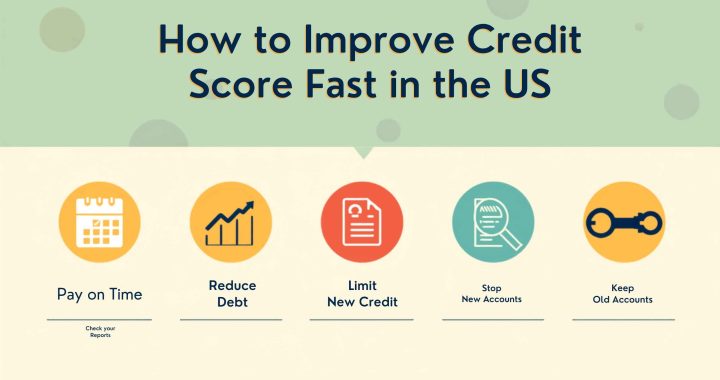
✔️ Pay all bills on time
✔️ Keep credit usage below 30%
✔️ Check your credit report regularly
✔️ Avoid too many loan applications
✔️ Use tools to add rent and utility payments
Conclusion
Your credit score is a powerful financial tool. It doesn’t improve overnight, but with consistent habits, you can build a strong score over time.
If you understand how the system works today, you can unlock better financial opportunities in the future.
👉 Start today by checking your credit score through your bank app. Most banks offer it for free in 2026.


[…] How Credit Score Works in the US (Beginner Guide) […]